
Cold Chain Catalyst: $800M Boost for African Agri-Modernisation
A new $800M initiative is set to revolutionise African agriculture, targeting smallholder inputs and vital cold chain infrastructure. Discover its impact on foo
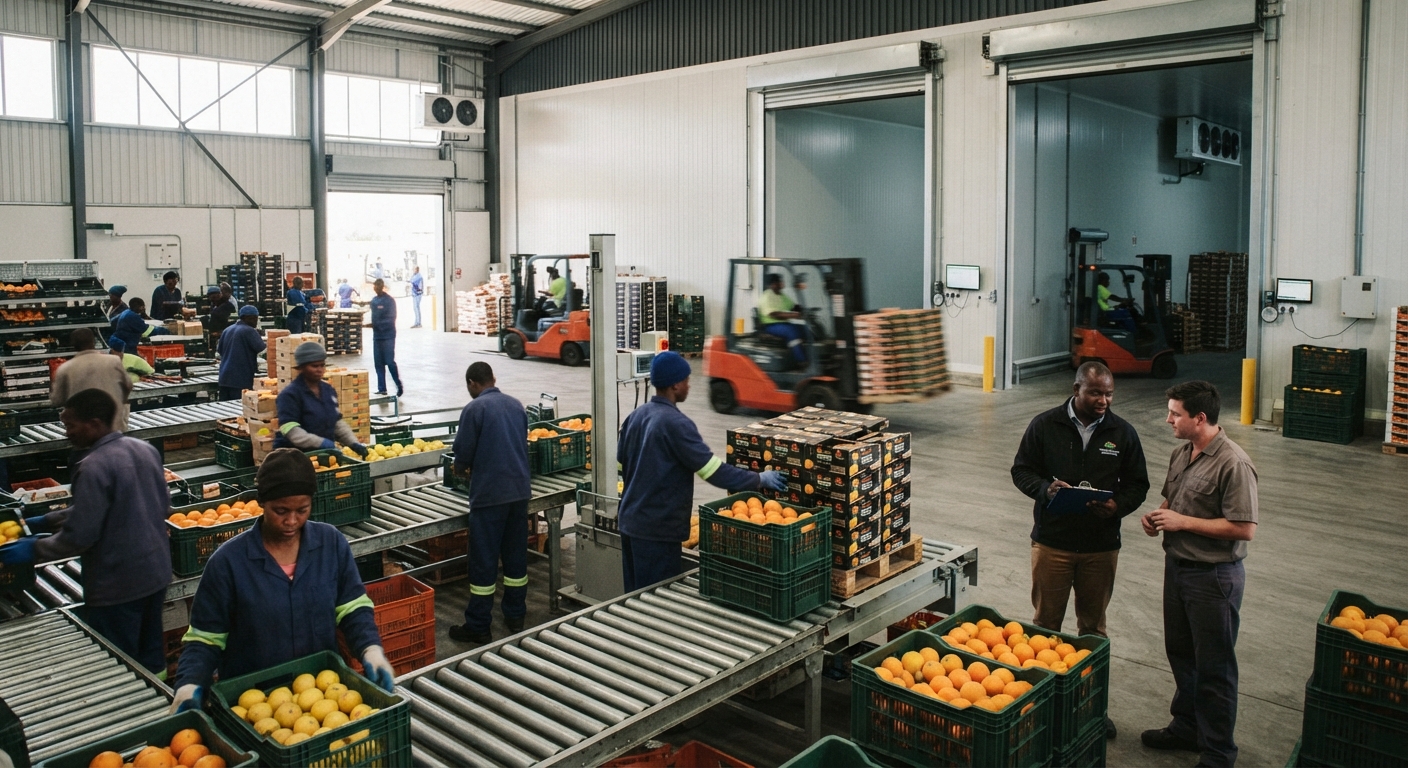
The landscape of African agriculture is poised for a significant transformation following the announcement of an $800 million funding initiative aimed at bolstering food security across the continent. This substantial capital injection, earmarked for critical smallholder inputs and the expansion of vital cold chain infrastructure, signals a concerted effort to modernise farming practices, reduce post-harvest losses, and unlock new market opportunities for millions.
Fueling the Farm Gate Transformation
At the heart of this initiative lies a commitment to empower Africa’s smallholder farmers, who form the backbone of the continent’s food production. A significant portion of the $800 million will be channelled into providing access to improved seeds, fertilisers, sustainable irrigation technologies, and training programmes. This direct investment in farm-gate productivity is expected to dramatically increase yields, enhance crop resilience against climate variability, and ultimately boost farmer incomes. For processors and exporters, a more reliable and higher-quality supply from a well-supported smallholder base promises greater consistency and competitiveness in both local and international markets.
Chilling the Losses: The Cold Chain Imperative
Perhaps the most groundbreaking aspect of this funding is its substantial allocation to developing and expanding cold chain logistics. Post-harvest losses, particularly for perishable goods, remain a devastating challenge across Africa, often wiping out up to 40% of a farmer’s efforts before produce reaches consumers. The $800 million will fund the construction of new refrigerated storage facilities, reefer transport networks, and integrated logistics hubs. This infrastructure is not merely about preserving food; it’s about extending shelf life, ensuring food safety, and enabling African producers to access distant, lucrative markets with high-quality produce. For investors, this represents a ripe opportunity in a rapidly expanding sector, while exporters stand to gain immensely from improved product integrity and market access.
The Local Angle
For agribusiness stakeholders in South Africa and across the wider region, this $800 million initiative holds profound implications. South Africa, with its established commercial farming sector and growing focus on supporting emerging farmers, can leverage this momentum. The investment in smallholder inputs aligns perfectly with national strategies to enhance food security and rural development, offering potential partnerships and technology transfer opportunities. Crucially, the focus on cold chain infrastructure addresses a systemic bottleneck that affects producers of all scales, from citrus exporters battling transit times to local vegetable farmers struggling with spoilage. Improved continental cold chain networks can facilitate intra-African trade, create new export corridors for high-value perishables, and attract further foreign direct investment into logistics and processing. This initiative is not just about aid; it's about building a resilient, integrated, and profitable African agribusiness ecosystem.
Source: Food Security Watch