
SA Agri Sector Braces for Strategic Shifts: Wheat Imports Up, Sunflowers Surge
AgriBusiness Africa analyzes South Africa's 2026/27 crop estimates, revealing strategic shifts in wheat, maize, and sunflower production amidst climate and…

South Africa's agricultural landscape is poised for a transformative period, as the latest Crop Estimate Committee's report for the 2026-27 season reveals critical shifts driven by climate volatility and escalating input costs. For farmers, processors, exporters, and investors, these figures are more than just statistics; they are a blueprint for navigating an evolving market and identifying opportunities in a dynamic sector.
Wheat Woes and Import Reliance
The 2026 wheat harvest has been significantly hampered by unfavourable weather conditions and persistently high input costs, leading to a projected decline in domestic production. Consequently, South Africa is anticipated to import approximately 2 million tonnes of wheat. This substantial reliance on international markets underscores vulnerabilities in the domestic supply chain and exposes the sector to global price pressures and currency fluctuations. For processors, this translates to heightened procurement risks and potentially volatile operational costs, while investors must weigh the implications for milling capacity, storage logistics, and broader food security.
Summer Season Shuffle: Maize Down, Sunflowers Up
Looking ahead to the 2026/27 summer grain and oilseed season, planting intentions paint a picture of strategic adaptation. While the overall area planted is expected to remain near the five-year average, there are notable reallocations that signify proactive responses to market signals and environmental pressures. Maize plantings are projected to decline significantly, a direct response to rising fuel and fertiliser costs, coupled with lower commodity prices and the ominous threat of an El Niño-induced drought.
In stark contrast, sunflower seed plantings are set to surge by a remarkable 45%. This substantial pivot highlights a strategic move by producers to embrace more resilient and potentially profitable alternatives. Sunflowers, generally more drought-tolerant than maize, offer a crucial advantage in a climate-uncertain environment, while also catering to a growing demand for oilseeds in various value-added sectors, from edible oils to animal feed.
The South Africa / Africa Angle
South Africa, often seen as a regional agricultural powerhouse, faces challenges that resonate across the broader African continent. The anticipated 2 million tonnes of wheat imports signal potential shifts in regional trade dynamics, creating possible opportunities for other African wheat-producing nations or highlighting the broader need for enhanced continental food security strategies and reduced reliance on distant global markets. The strategic pivot from maize to sunflowers offers a crucial lesson in climate-smart agriculture and crop diversification for farmers and investors seeking resilience against El Niño and similar weather phenomena plaguing the continent.
Furthermore, the rising input costs experienced in SA are a shared burden across many African nations, necessitating investment in localised input production, efficient farming technologies, and robust intra-African supply chains. For investors, these trends point towards compelling opportunities in climate-resilient crops, agricultural technology (AgriTech) solutions, and value-addition in oilseed processing, which can serve both domestic and burgeoning intra-African markets. Enhancing regional collaboration in research, infrastructure development, and trade policies becomes an imperative to stabilise food supply, mitigate risks, and foster sustainable growth for Africa's agricultural economy.
Navigating the Future
These early indications signal a season defined by strategic shifts rather than wholesale contraction. While significant challenges remain, particularly concerning input costs and climate resilience, the sector demonstrates a commendable capacity for adaptive response. Farmers will need to continue optimising resource use, investing in sustainable practices, and exploring diverse crop portfolios that align with market demand and climatic realities. Processors and exporters must secure stable supply chains, potentially looking to new domestic sources or strengthening regional partnerships for specific commodities. Investors are encouraged to focus on areas that promise resilience, technological advancement, and value addition, supporting innovations that enhance productivity and mitigate risk in a dynamic agricultural environment.
Source: Farmer’s Weekly
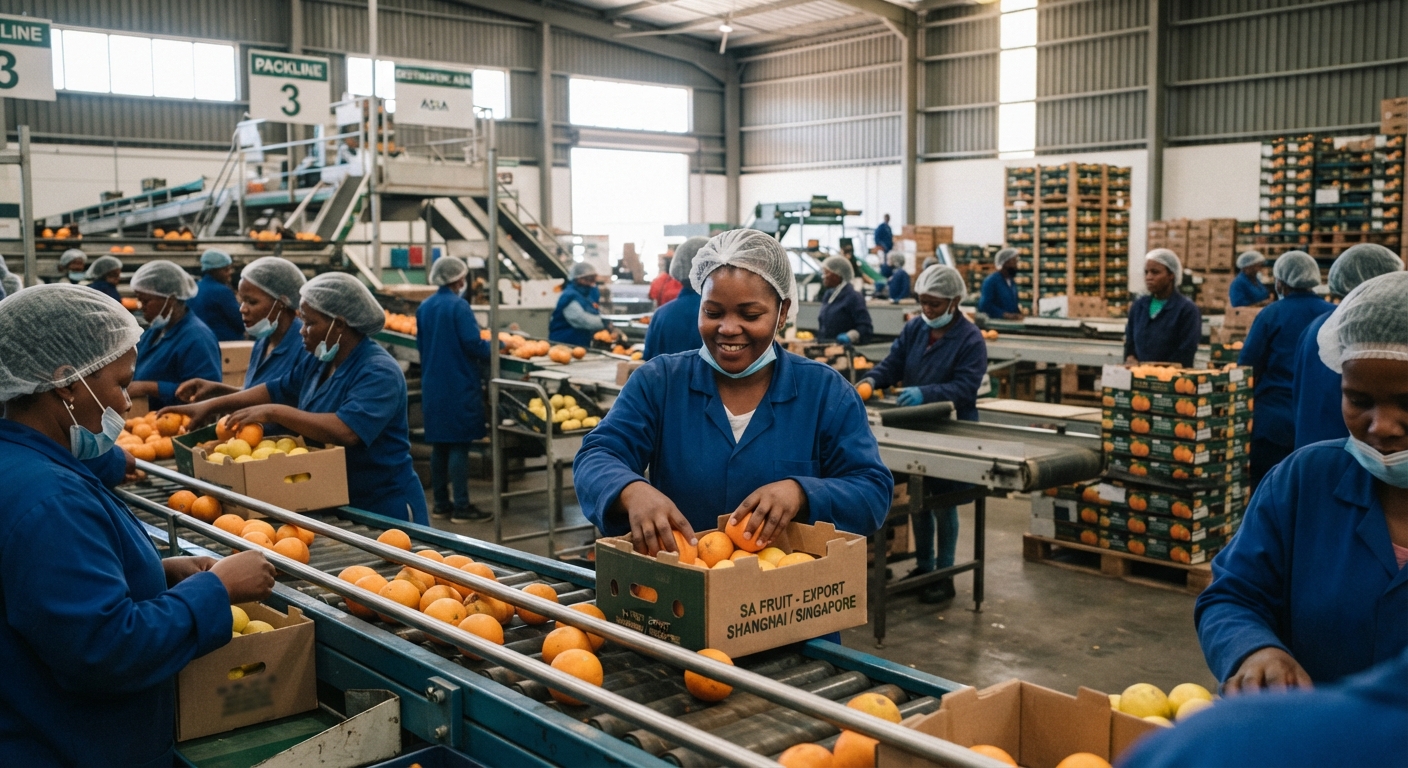
Eastern Promise: SA Agri-Exports Target $15bn with Asia's Rise
South Africa's agricultural exports are projected to hit $15bn as new Asian trade lanes open. Discover the impact on farmers, processors, and investors.